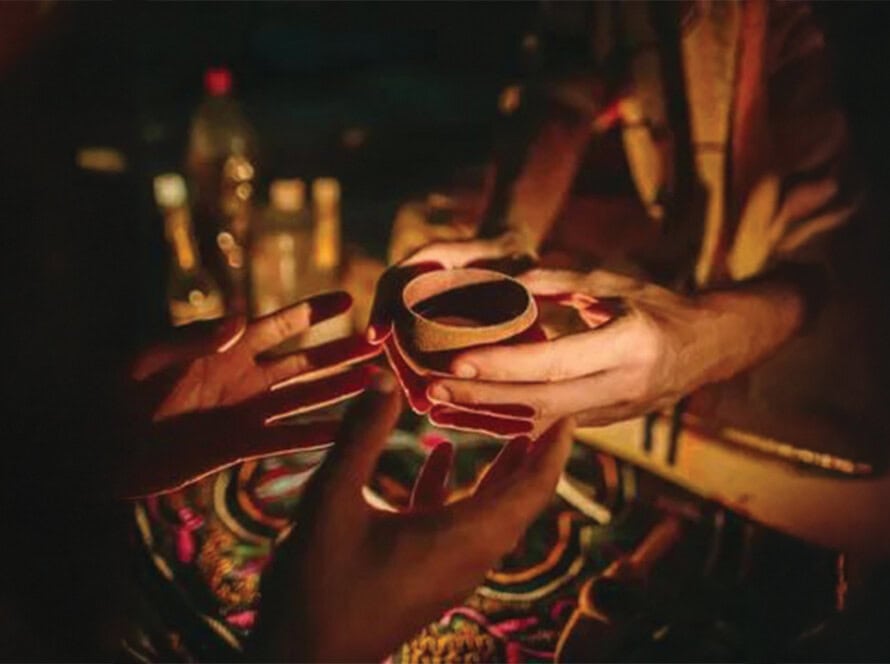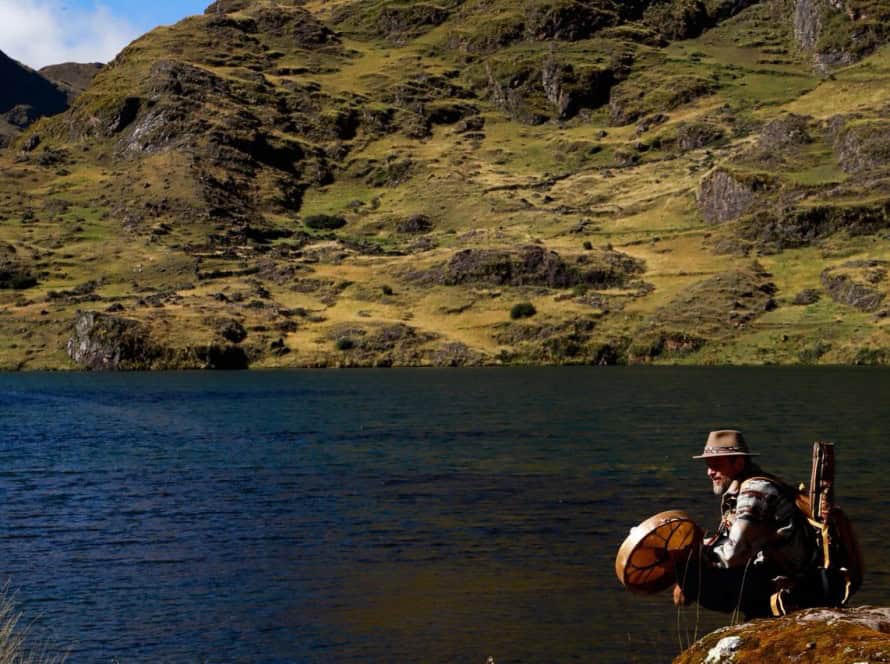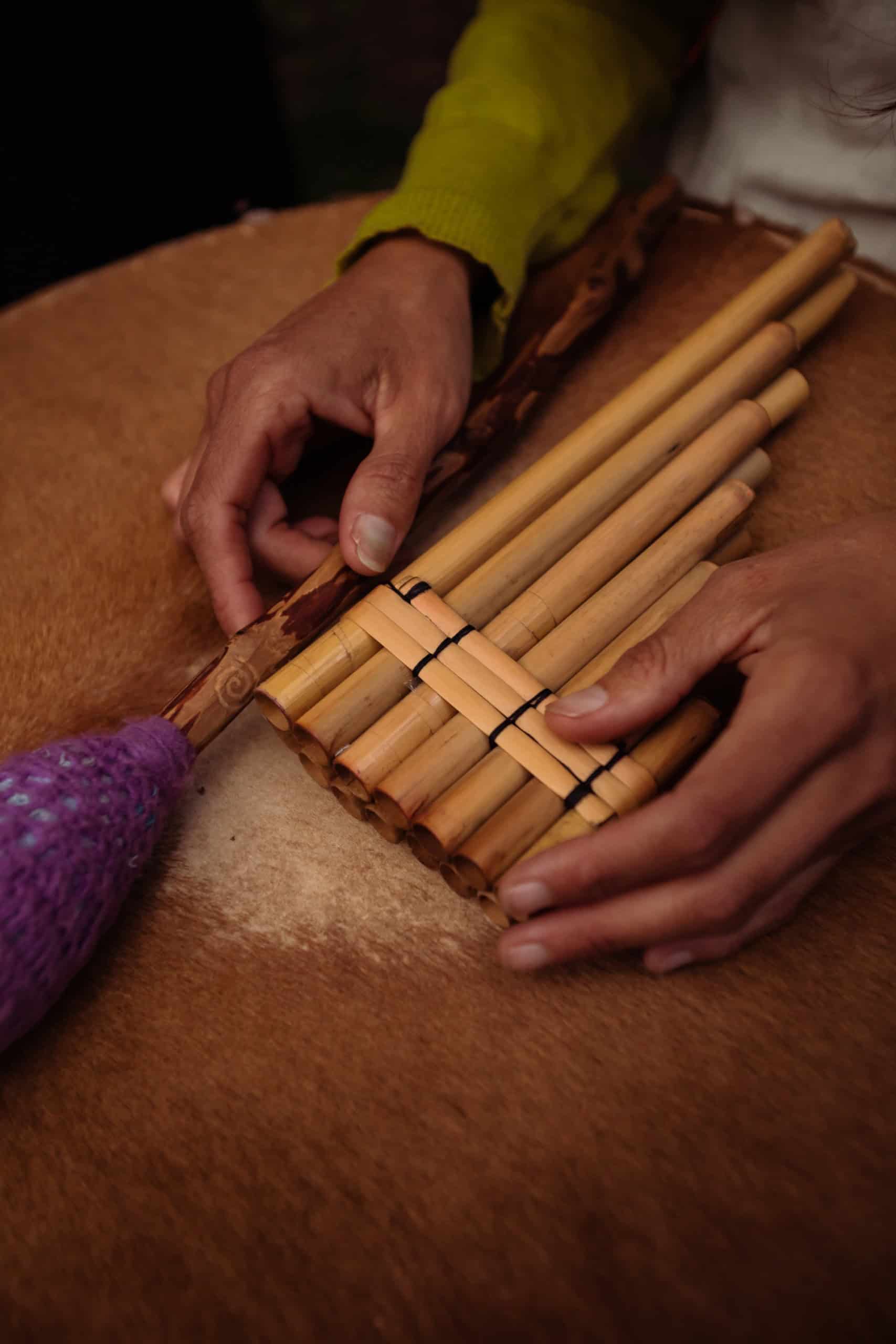
In an ayahuasca ceremony, there is something you may not fully understand until you feel it. It’s not just the medicine. It’s not just the silence. It’s the music. More specifically, the icaros. These are not songs in the way we usually think of music. They are something else entirely. Something that guides, shapes, and holds the entire journey.
What Are Icaros?
Icaros are traditional sacred songs used in Amazonian ayahuasca ceremonies.
They are typically sung by:
- Shamans
- Curanderos (healers)
- Experienced facilitators trained within the tradition
These songs are not performed for entertainment. They are used with intention.
Each Icaro is said to carry:
- A specific energy
- A healing quality
- A direction for the journey
In many traditions, Icaro’s are learned through deep practice and direct experience with the plants themselves.
Music as a Guide Through the Experience
Ayahuasca journeys can be expansive and, at times, overwhelming.
There can be moments of:
- Intense emotion
- Confusion
- Fear
- Deep introspection
In these moments, Icaro’s act as a guide.
Participants often describe feeling:
- Brought back when they feel lost
- Calmed when things feel intense
- Directed when the experience becomes unclear
It’s as if the music creates a pathway through the inner landscape.
Sound as a Form of Healing
In these ceremonial contexts, sound is not separate from healing. It is the healing. The vibration of the voice, the rhythm, the melody, all interact with your internal state.
Icaros are believed to:
- Clear energetic blockages
- Support emotional release
- Restore balance within the system
Even if you don’t intellectually understand what is happening, the body often responds.
The Relationship Between the Shaman and the Icaro
The person singing is not just performing. They are actively working.
Through the Icaro, the facilitator:
- Reads the energy of the room
- Responds to individual participants
- Supports the flow of the ceremony
In some traditions, specific Icaro’s are used to:
- Open the space
- Protect the space
- Deepen the experience
- Bring closure
This creates a structure that holds the entire journey.
Why Silence Alone Is Not Enough
It may seem like silence would be more “pure” or less distracting. But in ayahuasca work, silence can sometimes feel too open. Too unstructured.
Icaros provide:
- Rhythm
- Direction
- Containment
They give the mind and body something to orient around. A sense that you are not navigating alone.
A Bridge Between Worlds
Many describe Icaro’s as a bridge.
Between:
- The physical and the non-physical
- The conscious and the subconscious
- The individual and the collective
They help translate the experience into something that can be felt and processed. Even if the language of the song is unfamiliar, the feeling often communicates more than words.
The Emotional Impact of Icaros
At times, a single song can shift everything.
You may suddenly:
- Feel safe
- Begin to cry
- Release something you’ve been holding
- Experience a sense of connection
This is not accidental the timing, tone, and intention behind the Icaro matter deeply.
Why the Right Music Matters
Not all music carries the same intention. In ceremonial spaces, music is chosen or created with care.
The use of authentic Icaro’s:
- Honors the lineage
- Supports the depth of the experience
- Maintains the integrity of the ceremony
This is why the role of the facilitator and their relationship to the music is so important.
Final Reflection
In an ayahuasca ceremony, the medicine opens the space. But the music… guides you through it. Icaros are not just heard. They are felt. They move through you, support you, and at times… hold you in ways that words cannot. And in those moments, you begin to understand: This is not just music. This is part of the medicine itself.