Ayahuasca ceremonies have been practiced for centuries in the Amazon as a sacred path of healing, insight, and transformation. While curiosity around these ceremonies is growing, many people still wonder what truly happens during the experience.
If you’re feeling called to understand this journey, here’s a grounded look at what unfolds, before, during, and after a ceremony.
Preparation: Setting the Foundation
The journey begins long before the ceremony itself.
Participants are often guided to follow a preparation period known as a “dieta.” This may include avoiding alcohol, processed foods, certain medications, and sometimes even limiting sensory distractions.
This phase isn’t just physical, it’s energetic and emotional. It helps quiet the mind, cleanse the body, and open a space for deeper receptivity.
Preparation is where intention begins.
Drinking the Brew: Entering the Journey
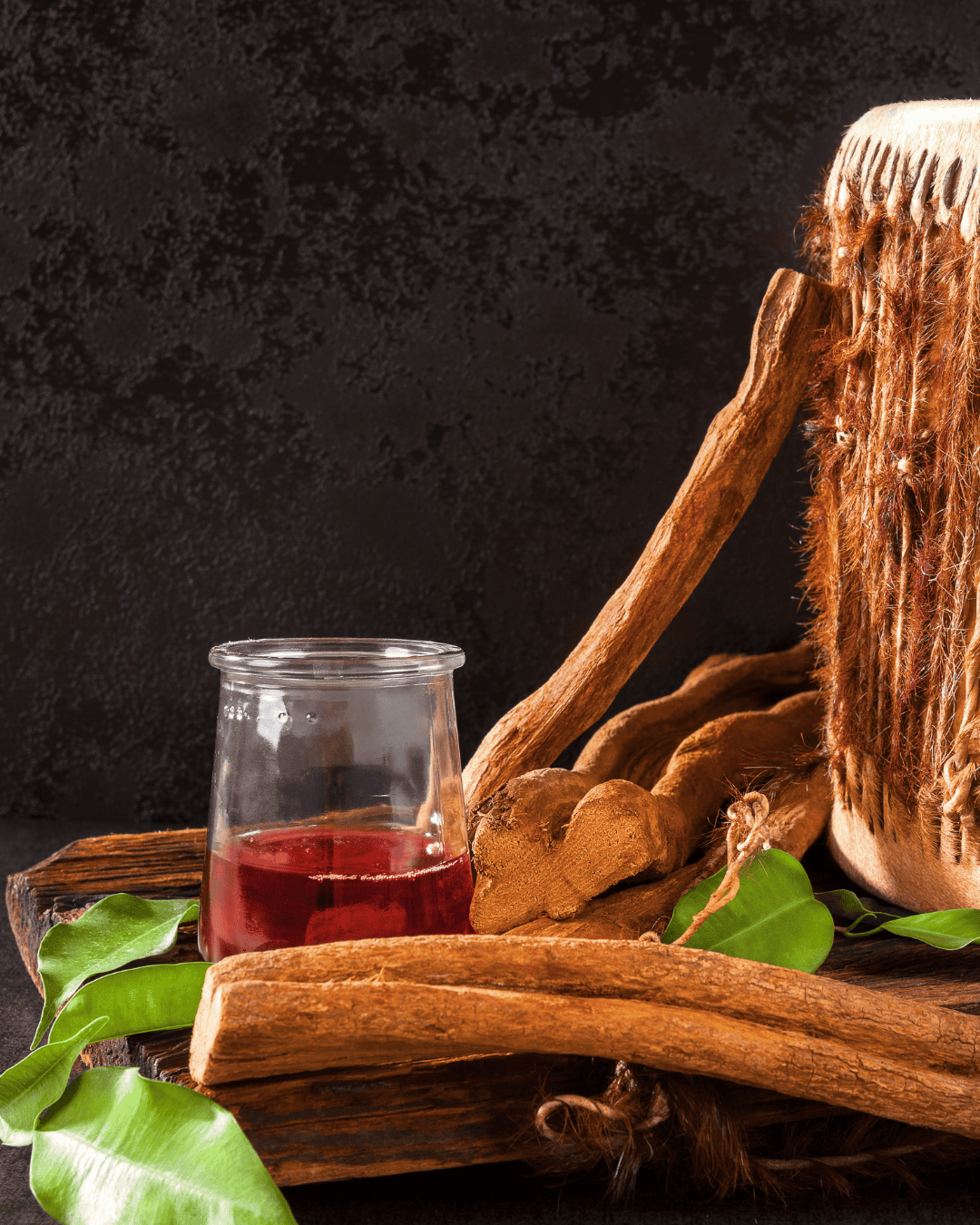
Ayahuasca is a sacred plant medicine prepared as a tea using two primary plants:
- The Banisteriopsis caapi vine
- The Psychotria viridis (chakruna) leaves
During the ceremony, participants are served a small cup of the brew.
This moment is often approached with reverence. For many, it marks the threshold between the outer world and an inner journey of exploration.
The Ceremony Space: A Sacred Container
Ceremonies are typically held at night in a quiet, dimly lit space.
Participants sit or lie down on mats, often in silence. The environment is intentionally simple, free from distractions, so attention can turn inward.
This space is more than physical. It’s a carefully held container designed to support safety, surrender, and deep inner work.
Sacred Music: The Guidance of Icaros
A central part of the ceremony is the music.
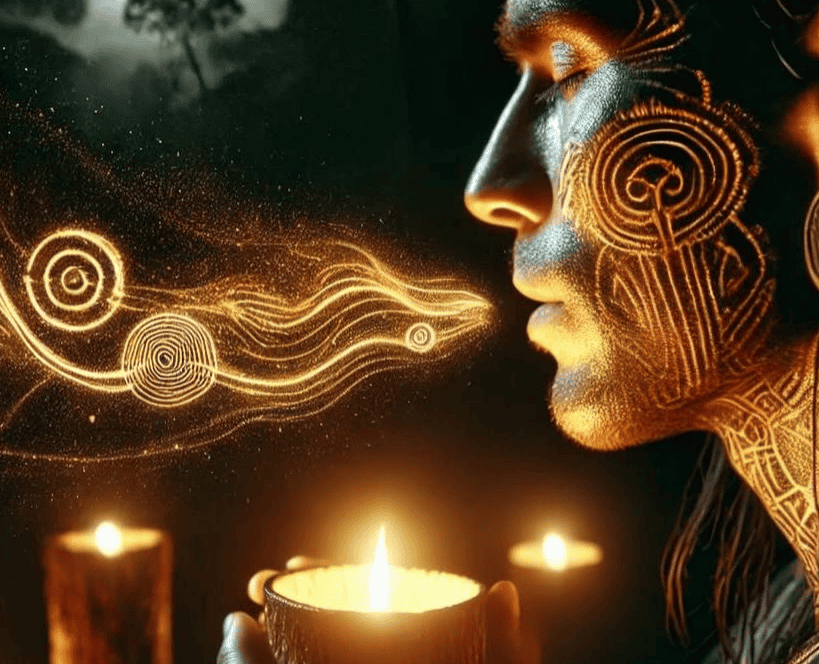
The facilitator or shaman sings traditional songs known as icaros. These are not just songs, they are considered tools of guidance and healing.
Icaros can:
- Help navigate the experience
- Ground participants during intense moments
- Open emotional and energetic pathways
Many describe the music as something that “works on them,” shaping the journey in subtle yet powerful ways.
The Experience: A Deep Inner Journey
Each person’s experience with ayahuasca is unique.
Participants may encounter:
- Vivid visions or imagery
- Deep emotional releases
- Memories from the past
- Profound insights about life, relationships, or self
Some people also experience purging, which can include vomiting or other forms of release. In traditional contexts, this is seen as a cleansing process, helping to release stored emotional or energetic blockages.
The journey can be intense, beautiful, challenging, and transformative, all at once.
Integration: Where the Real Work Begins
The ceremony does not end when the effects wear off.
In many ways, the most important phase is integration.
After the ceremony, participants are encouraged to:
- Reflect on their experience
- Journal insights and emotions
- Share in group discussions
- Gently apply lessons to daily life
Integration is where insight becomes transformation.
Without it, the experience can remain just a memory. With it, the journey becomes a catalyst for real, lasting change.
Final Thoughts
An ayahuasca ceremony is not just about the medicine, it’s about intention, environment, guidance, and what you choose to do afterward.
It is a deeply personal journey into the self. One that can reveal, challenge, and ultimately reconnect you to your essence.
If approached with respect, preparation, and proper support, it can be a powerful doorway into healing and self-discovery.